White collar crime is almost a rite of passage for many Penn alums. Amidst its culture of competition, wealth-chasing, and greed, Penn praises its alumni who enter tech, finance, and consulting jobs and commit white collar crime against poor and working-class people.
By Anonymous

Following graduation, Penn alums enter the professional world filled with a plethora of opportunities. However, the most popular career path is finance, with 25% entering the field, “Technology” and “consulting” follow second and third respectively, at 17% and 15%. The allure of these career paths captures the attention of students looking for a career structured around financial stability, opportunity, and entrepreneurial ambition. However, a culture of wealth-chasing, unfettered competition, and selfishness within many of these high paying fields breeds the practice of white collar crime. This form of crime is directly connected to the perpetrator’s higher level of education and social status. Examples include wage theft, bribery, and fraud. While defined as non-violent, white-collar crimes spur a ripple effect, leaving the working class most harmed by a pursuit based in greed.
While highlighting the accomplishments of its most notable entrepreneurs at every chance, the University seemingly overlooks the white collar crimes of graduates using a Penn education for selfish gain. One of the most notable examples occurred in 2012, when Rajiv Goel (Wharton MBA ‘83) was found guilty of insider trading after assisting former classmate Raj Rajaratnam (Wharton MBA ‘83) with information on investment plans and intel earnings. During his tenure as a Wharton MBA student, Ashik Desai oversaw sales and analytics at Outcome Health, a role leading him to be charged in a $1 billion fraud scheme after discovering that the company overbilled advertisers by about 25%. And in 2020, Penn alumnus Donald Trump (Wharton ‘68) pardoned fellow alumnus Michael Milken (Wharton MBA ‘79) after Milken plead guilty to six felonies including tax violations and securities fraud. Trump, whose presidency was marked with accusations of tax evasion, cited that the “junk bond king’s” commitment to cancer research was reason to pardon.
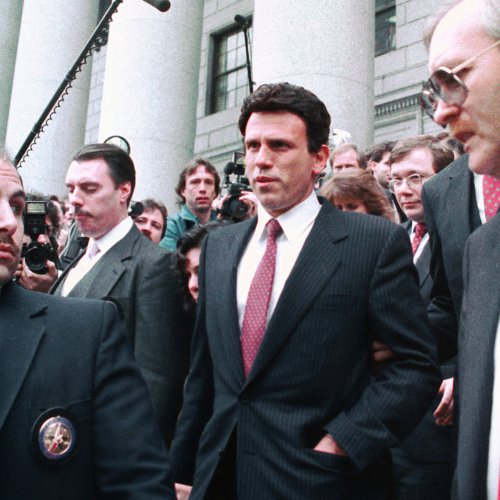
The devastating effects of white-collar crime go beyond a jail sentence or fine. Although white-collar crimes make up 3% of federally prosecuted crimes yearly, 25% of US households will become victims of white collar crimes at least once. When assessing company losses, it is 16 times likelier that drops will come from executives rather than employees. Short-cuts and fraudulent tactics can also affect employees by leading to unsafe working conditions and environmental problems in local communities caused by pollution. Yet, even considering the damaging 90% will go unreported to authorities. For the many working class people who do not have savings to fall back upon, these crimes can lead to financial devastation.
When faced with the reality of white collar crime committed within Penn’s alumni network, it should be left to wonder whether a curriculum in business ethics is sufficient at the university. With only a pop of the Penn bubble, one can observe the greater societal harm caused by these crimes of greed. Penn students, then, must assess what matters most when entering the corporate sector.
 Penn Disorientation Guide