
There are countless organizations at Penn engaging in community-building and striving to hold the University accountable for the harm it perpetuates. We encourage you to get involved!
Tag Archives: student organizing
Defanging Radicals
Penn continuously undermines its own students and community members to preserve its institutional power. Here are some of their strategies, so you can label and successfully oppose them.
How to Organize Protests at Penn
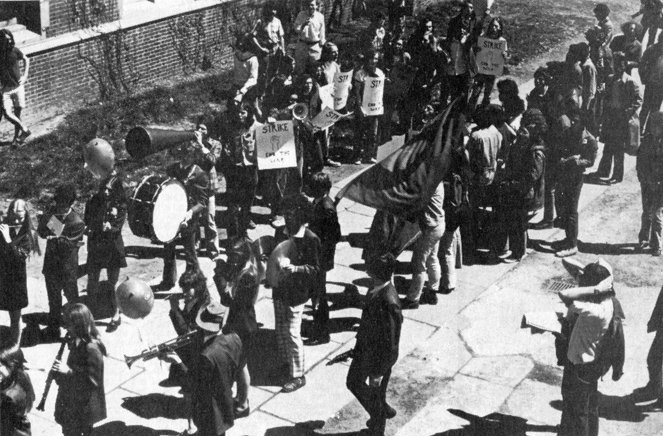
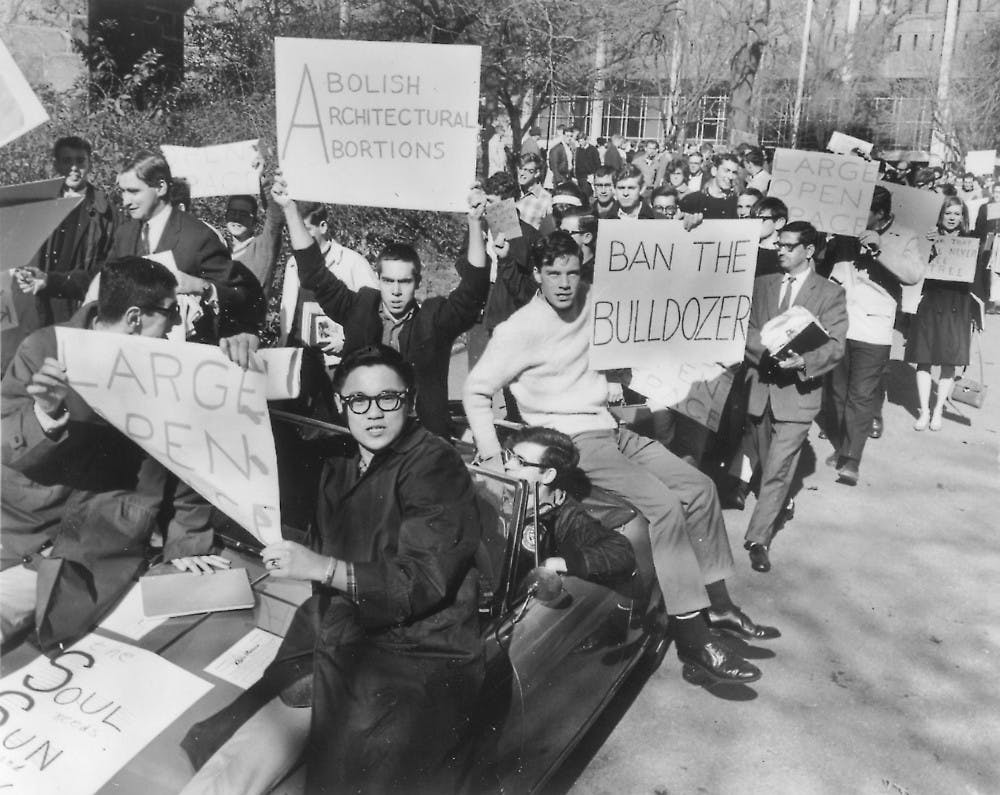
Student and community-led protests have been an integral part of Penn’s history, and they will continue to be for decades. However, when planning a protest, it’s important to be mindful of the physical and emotional wellbeing of all participants, as well as set a concrete set of realistic goals.
Tying it All Together
Hopefully, now at the end of this guide, you have a clearer understanding of Penn as an institution. You’ve seen how Penn’s foundation was dependent upon displacing indigenous peoples and using enslaved labor, how it exploits its workers today, how it fails to meet the needs of its students, how it intensifies racial inequalities, and how it deprives us all of an environmentally sound future.
Editors’ Letter
Welcome to the Disorientation Guide (DG), where you get to read about all the things Penn doesn’t want to tell you.
The Erosion of Asian American Studies
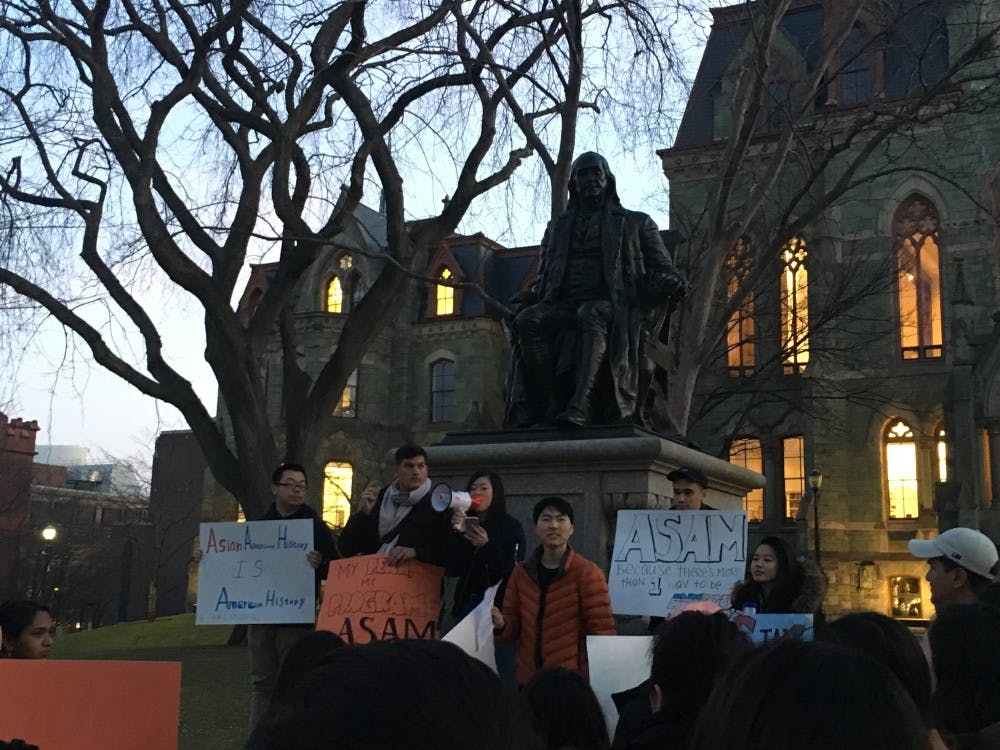
AM Program was the result of countless and constant efforts on part of students and faculty, and its existence holds an important place not only for academic enrichment but for students who fall under the AA+NHPI label at Penn. While it is important to celebrate the program’s tenacity, it is equally important to understand the program’s past, specifically Penn’s consistent institutional disregard of the program and its students and faculty.
Cultural Houses at Penn: A Decades-long Deadlock

For those who are not already aware, the University of Pennsylvania is a predominantly-white institution. This detail is overlooked by some who are aware of Penn’s strong history of establishing some of the nation’s first Cultural Resource Centers (CRCs) on college campuses. However, many remain unaware of the history behind these spaces and the war that their student leaders have continuously waged in their journey to advocate for students of color at this institutions.
 Penn Disorientation Guide