
For many, the pandemic was a breaking point: watching those with power and wealth profit while everyday people lost their jobs and their lives spurred many into radical action. Had the people leading our institutions taken the right steps to save lives instead of protecting their reputations and profits, thousands of lives could have been saved. Penn is no exception, and activists and community members have had to fight fiercely to hold the University accountable.
Tag Archives: safety
Understaffed, Underfunded, Unsupported: Medical Services at Penn

Penn’s Student Health Services (SHS) is supposed to support students in both their physical and mental well-being However, changes in accessibility, insurance policies, and the quality of mental health services raise concerns regarding its commitment to student wellness.
A Brief and Violent History of Campus Policing

Universities in the U.S., like the police, have deep historical connections with two pillars of this country’s founding, stolen African labor and stolen indigenous land. Campus policing, while a newer development, aligns with and leads Penn’s legacy of violence.
The Reality of Mental Health Resources at Penn

by Anonymous Poor mental health is surging, especially among college students. Poor mental health seems to be a hallmark of the Penn experience as we’ve been ranked as one of the worst colleges in terms of mental health. Penn breeds a culture of toxic ambition and perfection, as a commonly held belief among Penn studentsContinue reading “The Reality of Mental Health Resources at Penn”
A Protestor’s Guide: How to Navigate Penn’s Administrators and Disciplinary System
Hidden in plain sight along Locust Walk is Penn’s very own Center for Community Standards and Accountability (CSA), right next to the Arts, Research, & Cultural House. Formerly known as the Office of Student Conduct (OSC), this office handles disciplinary cases at Penn, including multiple recent cases against peaceful protestors.
Penn Can do More to Support FGLI Students

Despite receiving varying degrees of financial aid, many FGLI students still struggle with their financial circumstances while attending Penn. Only 3.3 percent of students at Penn are from America’s bottom 20 percent of family income, while 71 percent are from the top 20 percent and 19 percent are from the top 1 percent.
A Recent History of Organizing at Penn
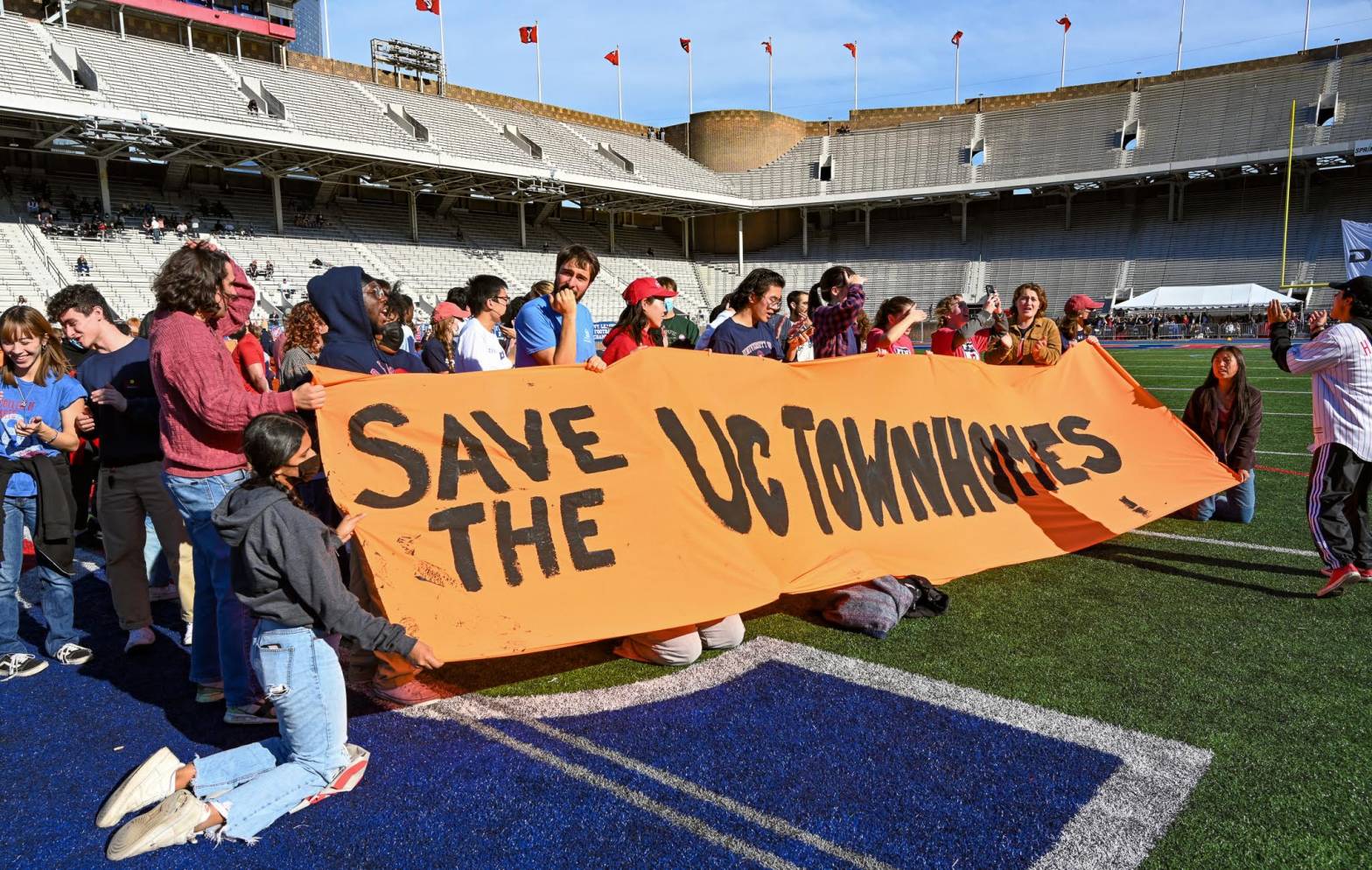
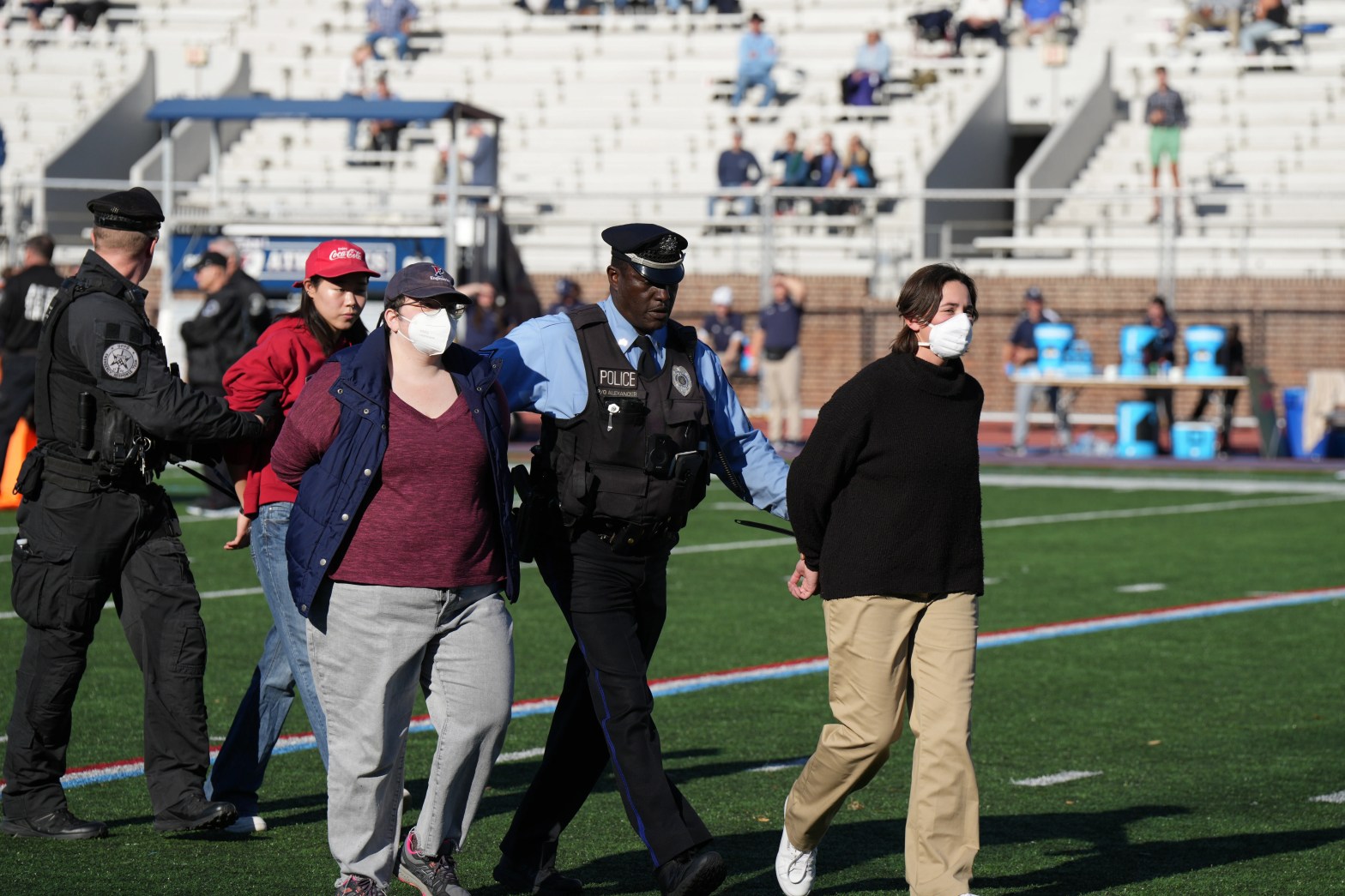
The Penn community rallies in response to injustice on- and off-campus. Among some of the most notable events that occurred in the past year were pushes for unionization from multiple groups, organizing against Penn’s role in gentrification, large protests regarding climate justice, and student protestors facing disciplinary actions and arrests from the University.
The Harsh Reality of Discrimination at Penn

Underneath Penn’s progressive facade is an old-fashioned administration that upholds the bigoted values of many students and faculty.
Sexual Violence at Penn
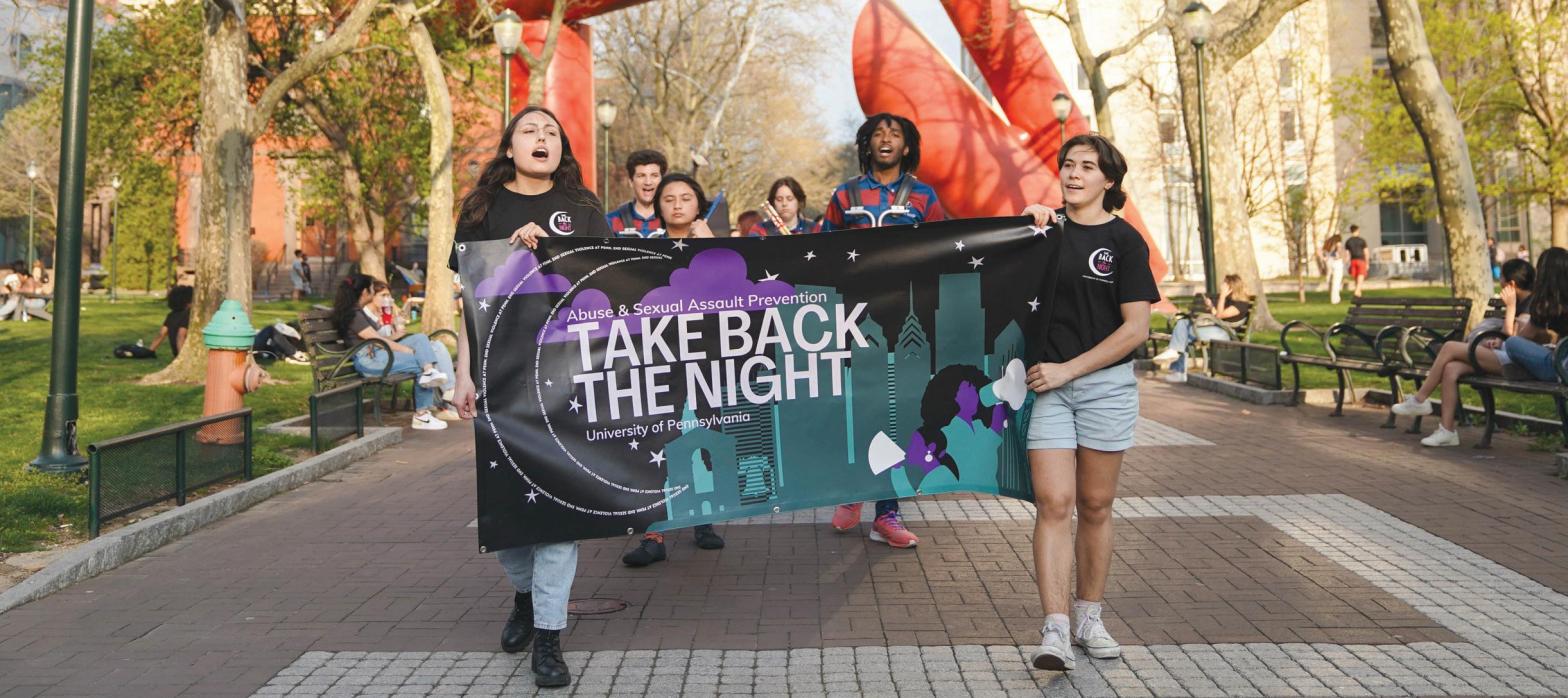
While events such as Take Back the Night are effective at raising awareness, more transparent policies, prevention education, and accessible resources are crucial to tackling the issue of sexual assault from its core.
Queerness at Penn

Navigating college as a queer person can be particularly challenging, but we’ve written this article to break down some of the most important things to know.
 Penn Disorientation Guide