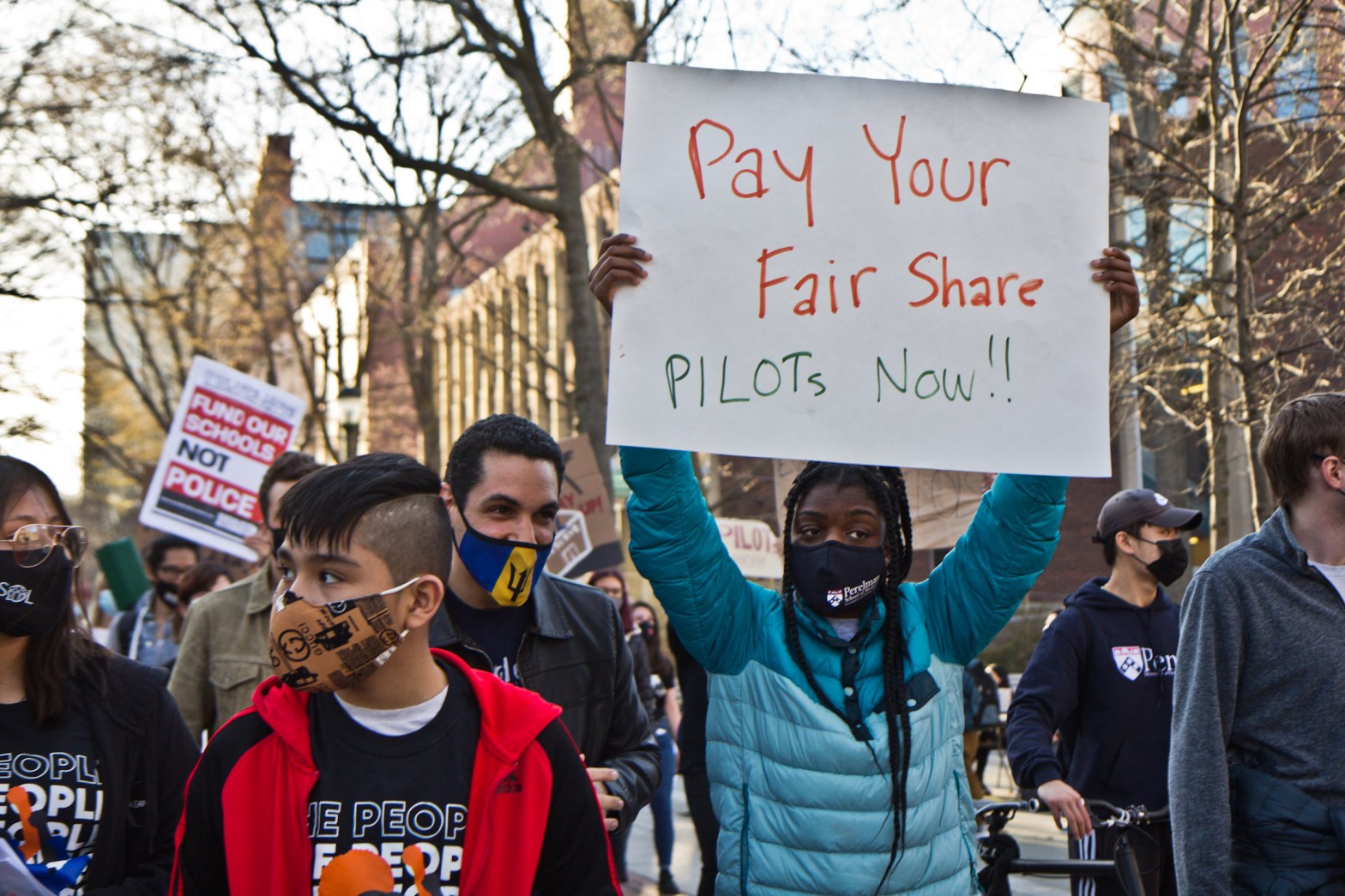
In Philadelphia, the poorest large city in the U.S., Penn is both the largest employer and largest private landowner. However, due to its federal status as a nonprofit institution, it does not pay property taxes.
Tag Archives: racial justice
The Enduring Connection Between Penn and Slavery
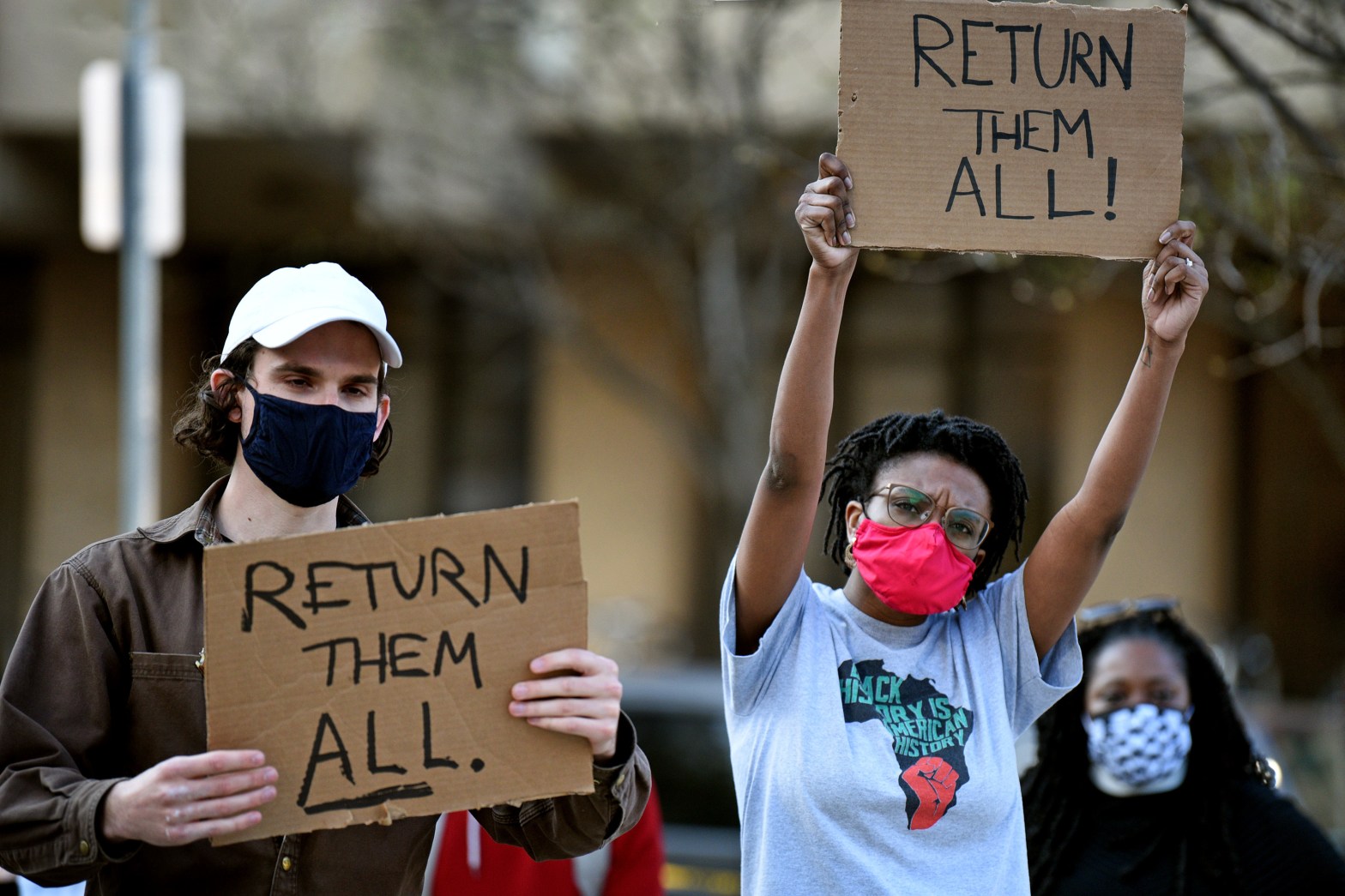
Penn and slavery had an undeniably intertwined relationship, in which both parties benefitted from the other.
A Brief and Violent History of Campus Policing

Universities in the U.S., like the police, have deep historical connections with two pillars of this country’s founding, stolen African labor and stolen indigenous land. Campus policing, while a newer development, aligns with and leads Penn’s legacy of violence.
Remembering the MOVE Bombing

In 1985, in what should be considered one of the greatest national tragedies in recent history, the Philadelphia government used military explosives over MOVE’s headquarters in the neighborhood of Cobbs Creek in West Philadelphia. Understanding both Philadelphia’s and Penn’s role in terrorizing the Black activists who were impacted by the bombing is crucial for any student who attends the University.
Save the People’s Townhomes: A Fight for Affordable Housing in Philadelphia

On Dec. 14, 2021, the Coalition to Save UC Townhomes, comprised of residents, housing justice organizers, the Black Bottom Tribe, West Philadelphia community members, and Penn faculty and students, held their first action: a demonstration on campus calling on Penn to honor the Trustees’ 1969 commitment to a policy of accountability.
A History of Displacement: Penn’s Broken Promises to the Black Residents of “University City”

As Penn’s endowment grows to over $20 billion and develops real estate across the city, tens of thousands of Philadelphians are struggling to find housing, turning to friends for shelter or living on the street. Penn is not just complicit in this violent inequity; it is one of its foremost perpetrators.
How Frats Get Away with Shit: A History of Greek Life, Violence, and Impunity at Penn
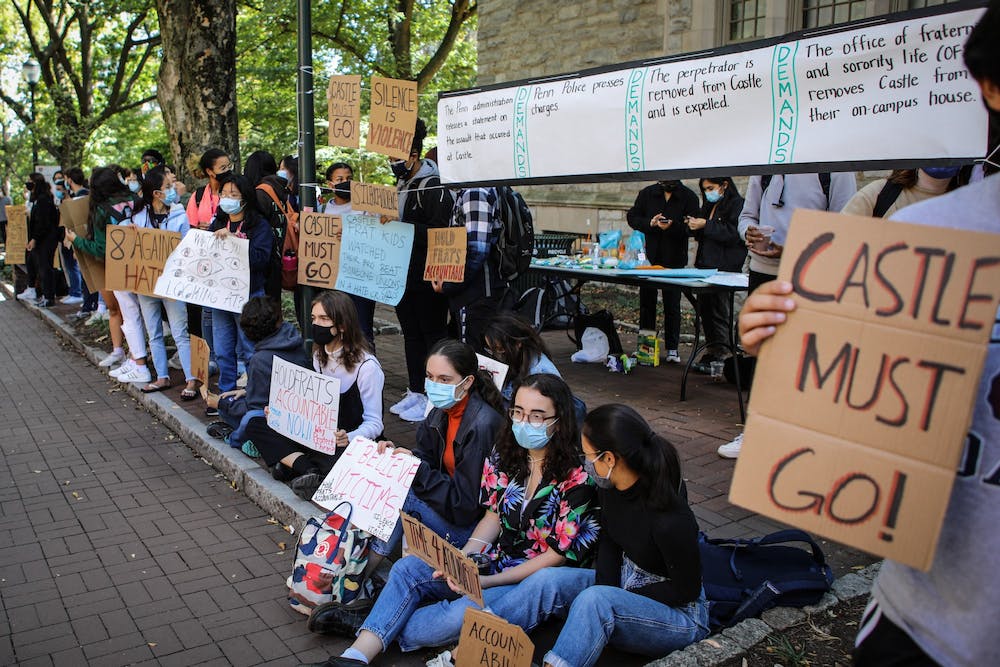
Greek life commands university space and identity. In fact, a whopping 25% of students belong to Greek life at Penn. Not only are fraternities a physical force to be reckoned with on campus, they’re deeply embedded into University bureaucracy.
Student Experiences with Confidential Resources at Penn
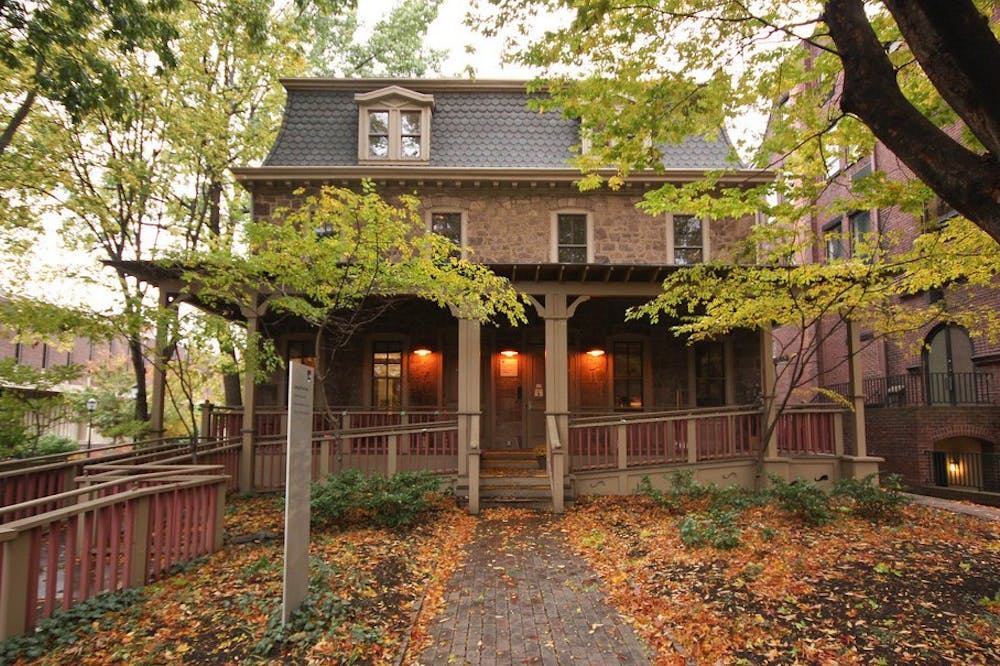
Many students have had traumatizing experiences when trying to speak to a confidential resource about their experience with sexual violence. Similarly, students have had negative experiences with confidential resources provided for other issues, those of which we discuss in this article.
The Erosion of Asian American Studies
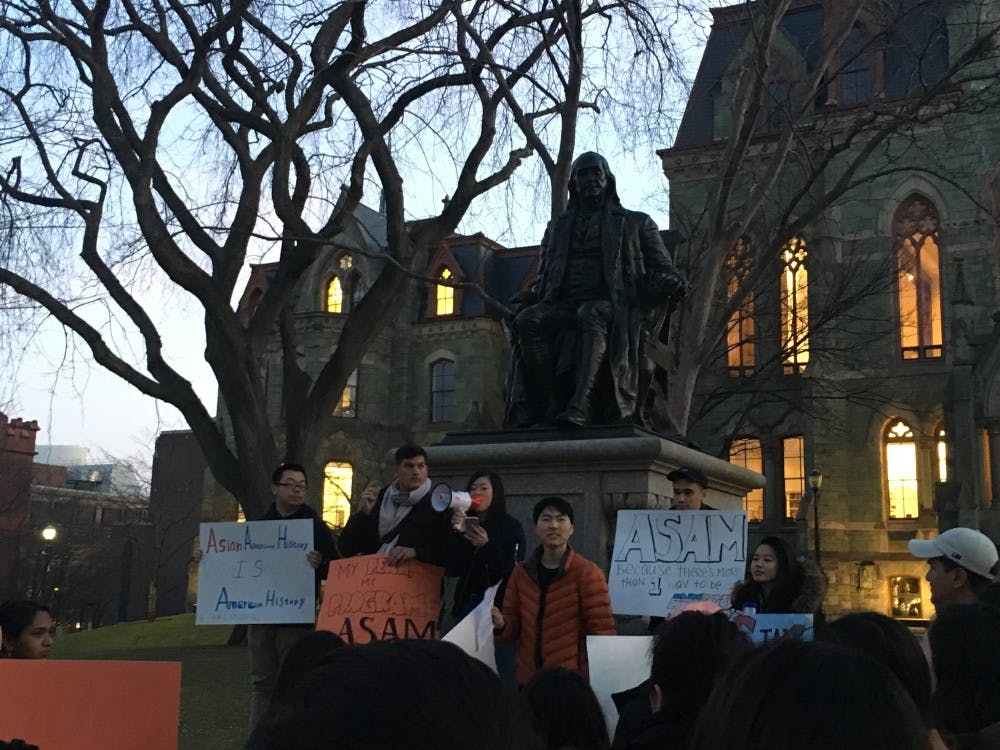
AM Program was the result of countless and constant efforts on part of students and faculty, and its existence holds an important place not only for academic enrichment but for students who fall under the AA+NHPI label at Penn. While it is important to celebrate the program’s tenacity, it is equally important to understand the program’s past, specifically Penn’s consistent institutional disregard of the program and its students and faculty.
Cultural Houses at Penn: A Decades-long Deadlock

For those who are not already aware, the University of Pennsylvania is a predominantly-white institution. This detail is overlooked by some who are aware of Penn’s strong history of establishing some of the nation’s first Cultural Resource Centers (CRCs) on college campuses. However, many remain unaware of the history behind these spaces and the war that their student leaders have continuously waged in their journey to advocate for students of color at this institutions.
 Penn Disorientation Guide