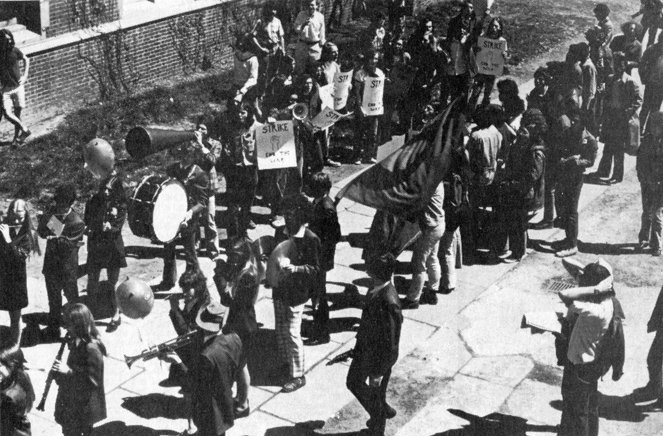
Hopefully, now at the end of this guide, you have a clearer understanding of Penn as an institution. You’ve seen how Penn’s foundation was dependent upon displacing indigenous peoples and using enslaved labor, how it exploits its workers today, how it fails to meet the needs of its students, how it intensifies racial inequalities, and how it deprives us all of an environmentally sound future.
Author Archives: penndisorientationguide
Editors’ Letter
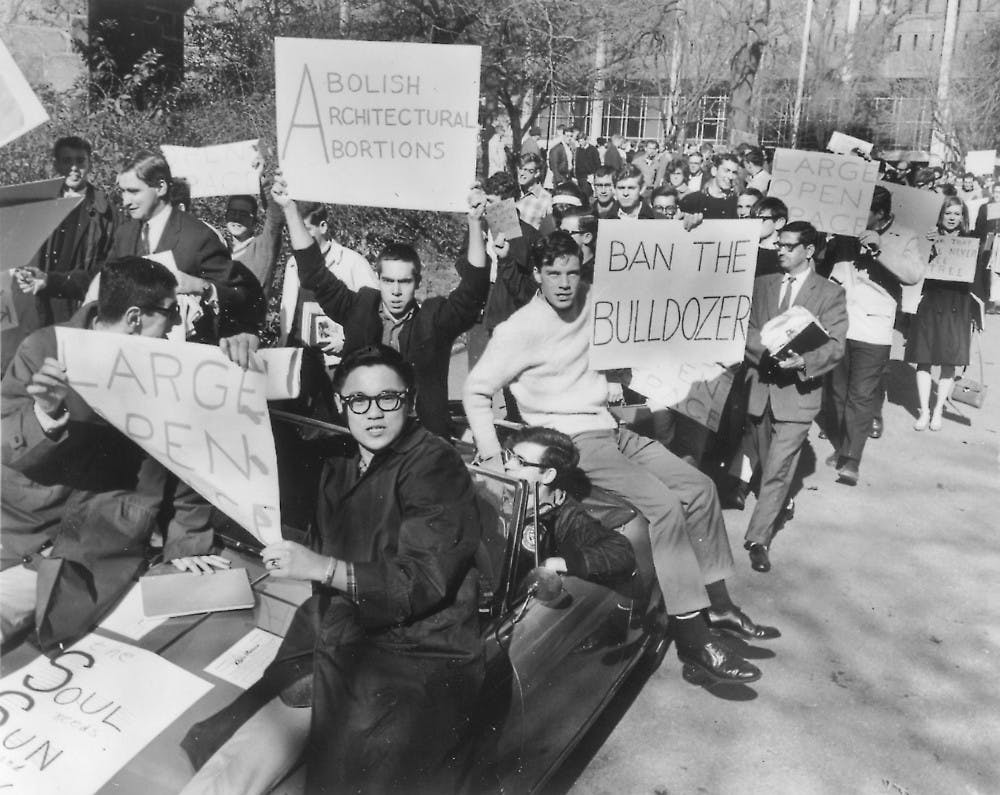
Welcome to the Disorientation Guide (DG), where you get to read about all the things Penn doesn’t want to tell you.
Penn’s Pipeline to White Collar Crime

While highlighting the accomplishments of its most notable entrepreneurs at every chance, the University seemingly overlooks the white collar crimes of graduates using a Penn education for selfish gain.
Who’s Who of the Penn Trustees

The Board of Trustees is Penn’s government. They choose the President, manage the endowment, and oversee all aspects of Penn. The Board does this with no outside checks, voting process, accountability, or even transparency on how they come to their decisions.
Exploitation “for Science”: Unethical Research at Penn

From Big Pharma corrupting the medical school to carbon capture research funded by the fossil fuel industry, nefarious interests are rampant throughout research here at Penn, and it is important that incoming first-years are aware of these influences before they delve deeply into research.
Penn and the Climate Crisis: A System of Destruction for Profit

Penn is a business first, and an educational institution distantly second. That means, however, that as a researcher, an investor, a pipeline of money and talent, and a power player in Philadelphia politics, Penn’s environmental impact is massive, and is more than just the carbon it burns.
Penn’s Treatment of Indigenous Peoples
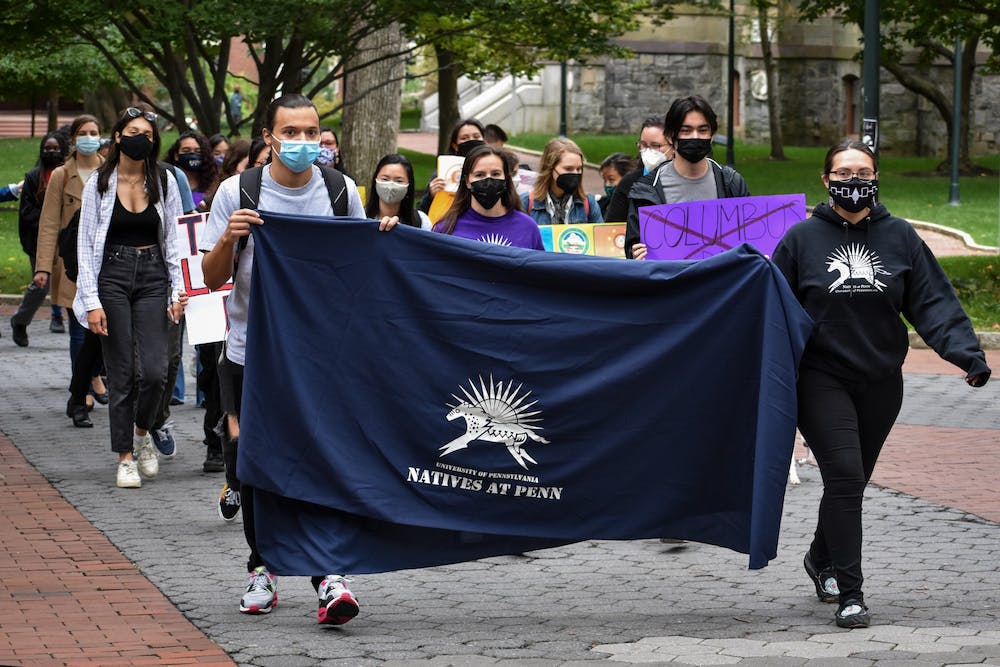
n Pennsylvania, there are no federally recognized Indigenous tribes, even though more than 18,000 Native Americans live within the state. This sets the tone for understanding the University of Pennsylvania’s relationship with local Native communities and with Native students. It is a relationship
How Penn is Cheating Philly’s Public Schools
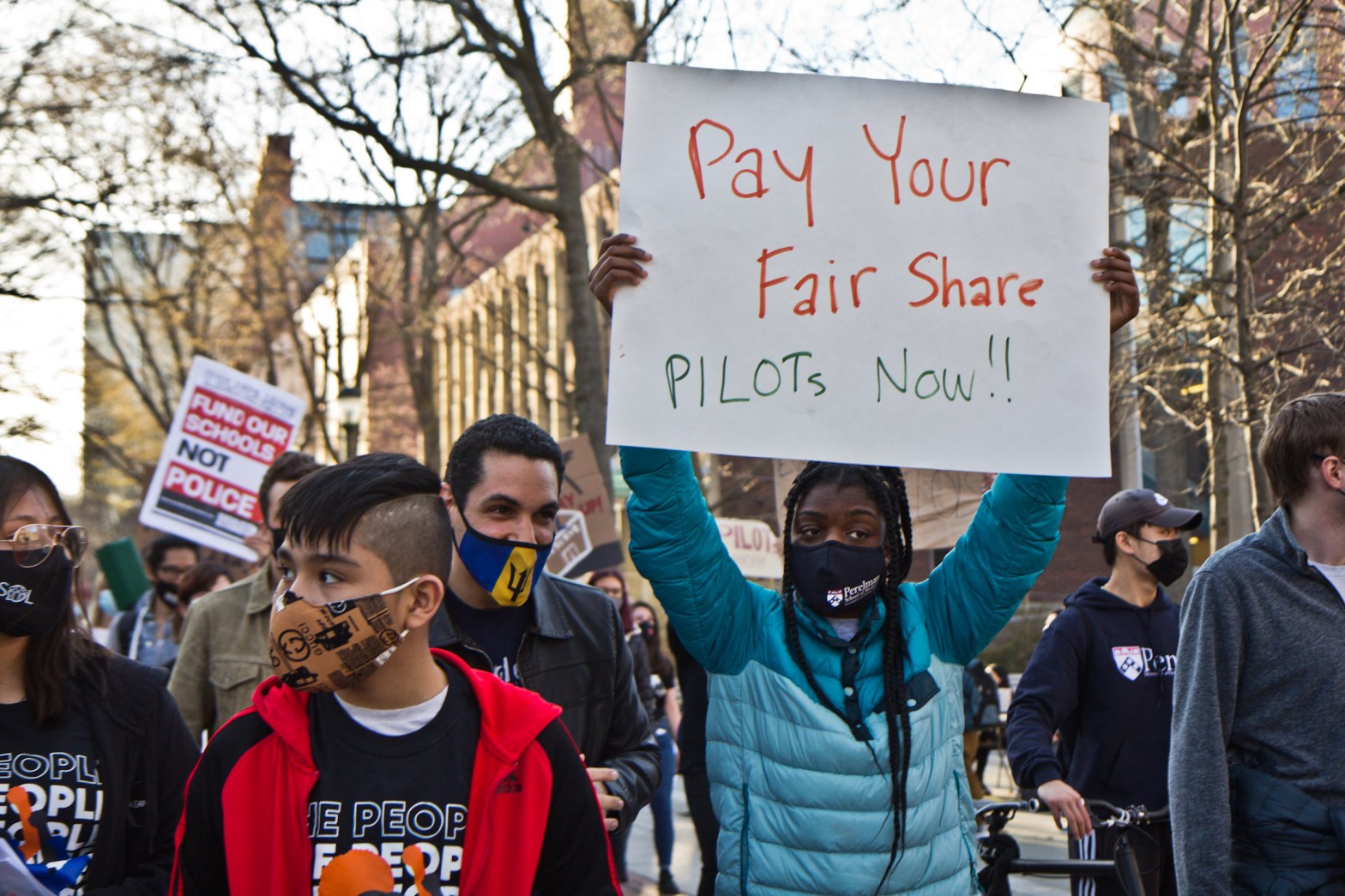
In Philadelphia, the poorest large city in the U.S., Penn is both the largest employer and largest private landowner. However, due to its federal status as a nonprofit institution, it does not pay property taxes.
The Enduring Connection Between Penn and Slavery
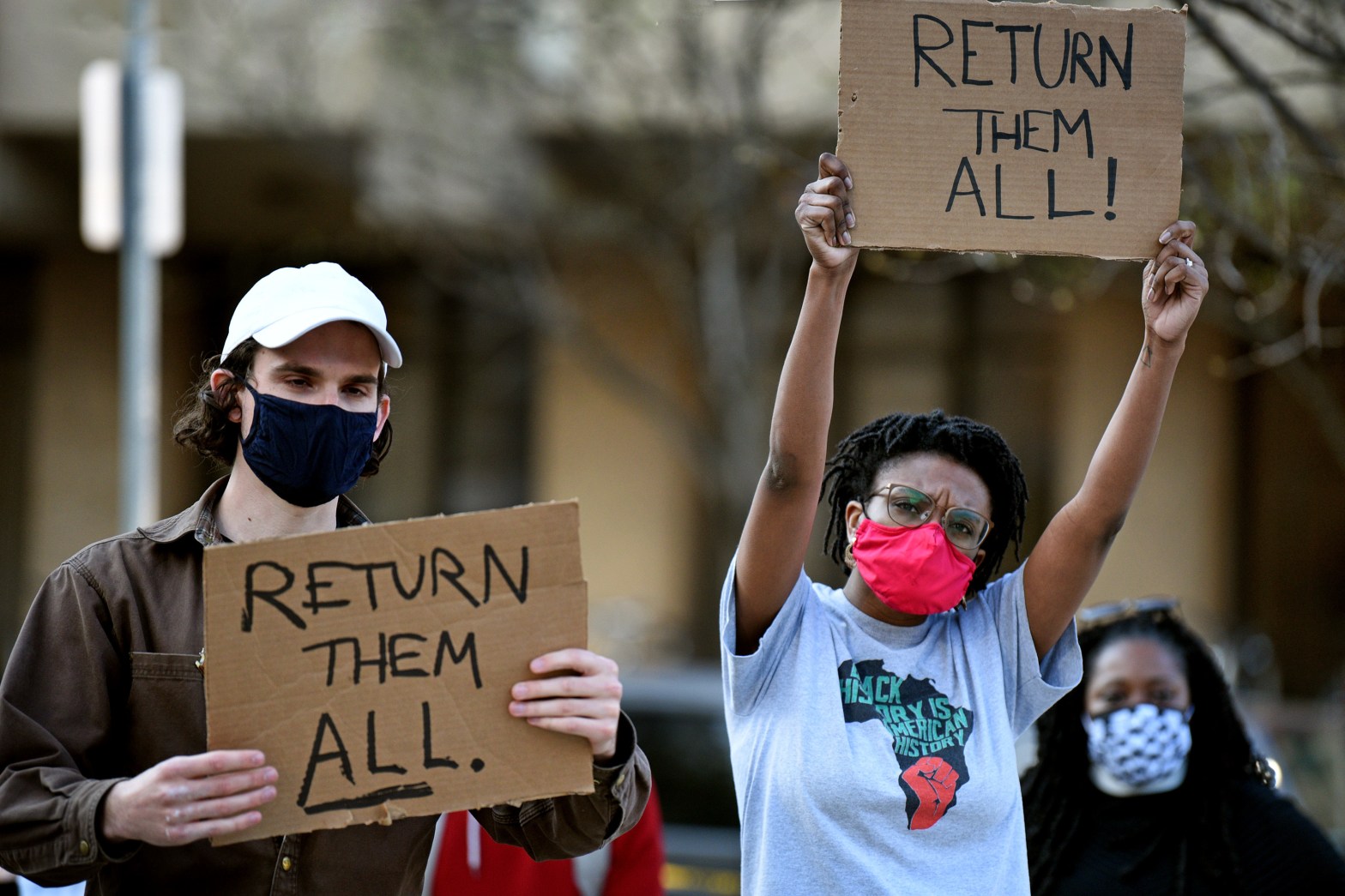
Penn and slavery had an undeniably intertwined relationship, in which both parties benefitted from the other.
A Brief and Violent History of Campus Policing

Universities in the U.S., like the police, have deep historical connections with two pillars of this country’s founding, stolen African labor and stolen indigenous land. Campus policing, while a newer development, aligns with and leads Penn’s legacy of violence.
 Penn Disorientation Guide