By Anon
Content Note: mention of suicide, mention of eating disorders, discussion of ableism
Penn claims to be diverse and inclusive. However, the university’s attempts at support end at recognizing the existence of disabled students. The university fails to recognize the complexity of disability and thus the diversity of experiences under that label. The ADA defines a disability as a “physical or mental impairment that substantially limits one or more major life activity.” This includes, but is not limited to, physical disabilities, intellectual or learning disabilities, mental health conditions, chronic illness, vision and hearing impairments, addiction, and disordered eating. Unfortunately, Penn’s resources and support for disabled students reflect a far more limited understanding of what disability looks like.
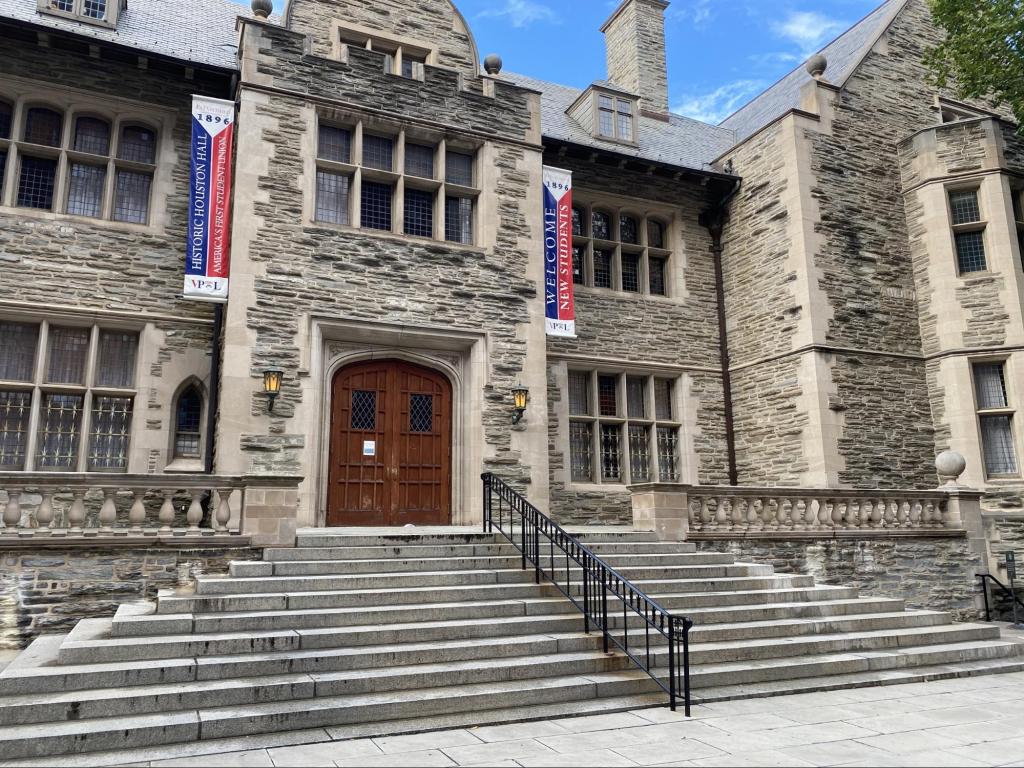
Penn often fails to meet ADA compliance regulations for physically disabled individuals (i.e. ramps, elevators). When Houston Hall was renovated in 2018, the wheelchair ramp was removed with no explanation. Housing accommodations for students with physical disabilities require a lot of paperwork and can still be denied. The PennRides service does not always come in time and travel time can be up to an hour. Finally, academic accommodations for people with physical disabilities are rarely available, which is further proof that Penn has a limited understanding of the complexities of disability.
Accommodations at Penn go through Student Disability Services at the Weingarten Learning Resource Center. Many students have struggled to receive proper accommodations in accordance with their disabilities. Although SDS recognizes many types of disabilities, the manner of accommodations are far less expansive. For example, SDS is not able to permit attendance accommodations even for those with registered disabilities that might interfere with safe class participation. In many cases, this is not the fault of SDS, but rather that of the ableist institution and the schools or departments themselves which refuse to provide support. For example, both the College of Arts & Sciences and language departments have strict absence policies that SDS cannot overrule. Additionally, it is mandatory to re-register disabilities every semester in order to receive accommodations. This renewal process can take hours of waiting; for many students, ill-suited accommodations are not worth the hassle.
Even if accommodations are approved by SDS, many professors do not honor them. Some will guilt students into taking exams without their registered accommodations. Other professors will provide side commentary about the extra work necessary on their end. Many professors will separate SDS-recognized students from other students in their classes, singling them out in the classroom by returning tests. The schedules for final exams are difficult to adjust and often conflict with ongoing classes; students are discouraged from messing with it even with an overwhelming number of tests a day.
The ableist culture Penn fosters causes many students with disabilities to hide or diminish their struggles in favor of the “Penn Face.” The university has attempted to improve mental health conditions in recent years following a slew of student deaths by suicide and the more recent passing of the former director of CAPS. However, the lack of student and faculty understanding of disability leads to a toxic culture that no number of student initiatives and staff support can fix. Beyond institutional obstacles, disabled students also have to deal with the burden of micro-aggressions which Penn’s ill-informed, ableist culture generates. For example, students finding out about a peer’s academic accommodations have claimed how lucky they were for getting an advantage.
Despite its grand claims, Penn has done and continues to do very little for its disabled community members. Its inconsistent, bureaucracy-laden, unreliable support resources do not even begin to address the internalized ableism growing rampant at the institution. Penn is once again failing its students and very tangibly impacting their academic, physical and mental wellbeing.
Penn and Israel | Table of Contents | Asian American Studies
 Penn Disorientation Guide